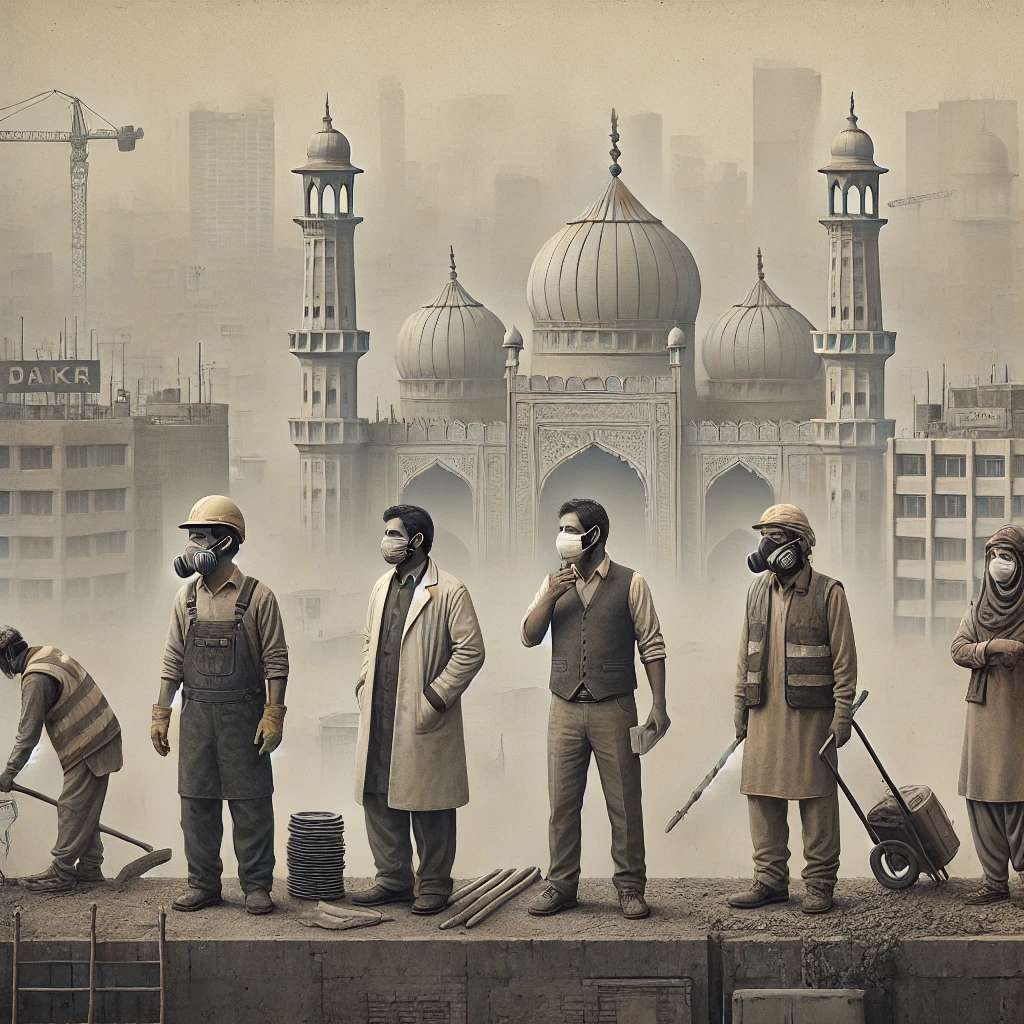
Lahore, the cultural capital of Pakistan, is once again facing a serious air pollution problem as winter approaches. Thick layers of smog have covered different parts of the city, making it difficult for residents to enjoy clear skies and breathe clean air.
The Lahore smog situation in November 2026 has become a major public health and environmental concern. Air Quality Index (AQI) readings have reached extremely dangerous levels on several occasions, raising concerns among residents, health experts and environmental organisations.
On November 9, 2026, Lahore recorded an AQI of around 590 in an IQAir reading, placing it among the most polluted major cities in the world. Other monitoring updates have also reported even higher hourly readings. These figures can change throughout the day depending on weather conditions and pollution levels.
The problem is not limited to a few areas. Residents across Lahore are experiencing poor visibility, breathing difficulties, eye irritation and other problems associated with polluted air.
But why does Lahore experience severe smog every year? What are its major causes, and what can residents do to protect themselves?
Let's explore the current smog situation in Lahore and understand why long-term action is necessary.
Current Smog Situation in Lahore in November 2026
November is one of the most challenging months for air quality in Lahore. As temperatures fall and winter weather develops, pollutants can remain trapped close to the ground.
Recent air quality reports show that Lahore has experienced hazardous pollution levels during November 2026.
On November 2, the city's AQI reached 535 in an early morning reading, while on November 9, IQAir reported a reading of 590. These measurements highlight how quickly the situation can become dangerous.
The situation is also concerning in nearby cities, including Gujranwala, Faisalabad, Sheikhupura and Kasur. Pollution from surrounding agricultural and industrial areas can contribute to the wider regional air pollution problem.
Although some days bring temporary improvement due to changing weather conditions, this does not necessarily mean that the underlying pollution problem has been solved.
For Lahore residents, checking daily air quality updates has become an important part of winter life.
What Are the Major Causes of Smog in Lahore?
Smog is a mixture of smoke, harmful gases and tiny particles in the atmosphere. It develops when different pollutants combine with weather conditions that prevent them from spreading.
Several factors contribute to Lahore's air pollution.
1. Vehicle Smoke and Traffic Pollution
Traffic is one of the major sources of air pollution in Lahore.
The city has millions of vehicles, including motorcycles, cars, buses, trucks and rickshaws. Many older vehicles produce excessive smoke because of poor maintenance, outdated engines and inefficient fuel consumption.
Heavy traffic on major roads such as Mall Road, Ferozepur Road, Canal Road and Multan Road adds to the pollution problem.
Vehicle emissions release harmful pollutants, including fine particulate matter and nitrogen oxides, which contribute to poor air quality.
2. Industrial Emissions and Brick Kilns
Factories and industrial units around Lahore also contribute to air pollution.
Some industries use fuels and equipment that release smoke and harmful particles into the atmosphere. Brick kilns operating around Lahore and nearby districts can also add to the pollution burden, particularly when they use inefficient technology.
Although cleaner technologies have been introduced in parts of Punjab, proper monitoring and enforcement remain important.
3. Crop Residue Burning
Crop residue burning is another important contributor to seasonal air pollution in Punjab.
After harvesting rice and other crops, some farmers burn leftover agricultural material to prepare their fields for the next crop.
This practice releases smoke and fine particles into the atmosphere. Wind can carry pollution across large distances, affecting Lahore and neighbouring areas.
Recent environmental reporting has identified agricultural burning on both sides of the Pakistan-India border as part of the wider regional pollution challenge. However, the exact contribution of individual fires to Lahore's AQI cannot be established from satellite detections alone.
4. Construction Dust and Road Pollution
Lahore is expanding rapidly, with new residential societies, commercial buildings and infrastructure projects developing across the city.
Construction activities release dust into the air, particularly when building materials are left uncovered or construction sites do not follow proper dust-control practices.
Unpaved roads, roadside dust and poorly managed construction waste also contribute to the problem.
5. Open Waste Burning
Burning household rubbish, plastic materials and other waste releases harmful smoke into the environment.
Unfortunately, open waste burning still occurs in different parts of Lahore.
Plastic burning is particularly concerning because it can release toxic substances and dangerous air pollutants.
6. Weather Conditions During Winter
Weather conditions play an important role in the development of smog.
During winter, lower temperatures, weak winds and a shallow atmospheric mixing layer can prevent pollutants from dispersing.
As a result, smoke and harmful particles remain concentrated near the ground, making the air more polluted.
This explains why Lahore's air quality can become much worse during November, December and January, even when pollution sources have not increased significantly.
Health Effects of Smog on Lahore Residents
Smog is not simply an environmental problem. It is also a serious health concern.
Fine particles known as PM2.5 are especially dangerous because they are small enough to travel deep into the lungs and may enter the bloodstream.
Exposure to polluted air can cause several health problems, including:
Breathing difficulties: People may experience coughing, wheezing, chest tightness and shortness of breath.
Eye irritation: Polluted air can cause redness, itching, watering and discomfort in the eyes.
Throat irritation: Many residents experience sore throats, dryness and persistent coughing during severe smog.
Asthma problems: People with asthma and other respiratory conditions may experience more frequent or severe symptoms.
Heart and lung risks: Long-term exposure to fine particulate pollution increases the risk of cardiovascular and respiratory diseases.
Children, older adults, pregnant women and people with existing health conditions are particularly vulnerable.
How to Protect Yourself from Smog in Lahore
Although individuals cannot solve the entire air pollution problem, they can take practical steps to reduce exposure.
1. Wear a Suitable Protective Mask
Consider wearing a well-fitting N95 or equivalent respirator when outdoor air quality is poor.
Ordinary cloth masks and loose-fitting surgical masks may not provide the same level of protection against fine particles.
2. Avoid Unnecessary Outdoor Activities
Try to reduce outdoor exercise, jogging and long walks when pollution levels are high.
If possible, reschedule outdoor activities until air quality improves.
3. Keep Windows and Doors Closed
During periods of severe outdoor pollution, keep windows and doors closed as much as practical.
If you have an air purifier with an appropriate HEPA filter, use it in frequently occupied rooms.
4. Check the Daily AQI
Air quality can change throughout the day.
Before travelling, exercising or planning outdoor activities, check the latest AQI readings for your area.
You can monitor air quality through the following resources:
5. Take Extra Care of Children and Older Adults
Children should avoid outdoor sports and unnecessary outdoor activities during severe smog.
Older adults and people with asthma, heart disease or other existing health problems should follow medical advice and take extra precautions.
If someone experiences severe breathing difficulty, chest pain or other serious symptoms, seek medical attention promptly.
What Is the Punjab Government Doing to Control Smog?
The Punjab government has introduced different initiatives to reduce air pollution and control seasonal smog.
These measures include monitoring industrial emissions, improving brick kiln technology, checking vehicle emissions, discouraging crop residue burning and introducing cleaner transportation options.
The government has also expanded its air quality monitoring network to help authorities track pollution levels and identify problem areas.
According to the Punjab Environment Protection and Climate Change Department, initiatives include electric buses, vehicle emissions testing, industrial inspections and machinery to help farmers manage crop residue without burning it.
However, temporary restrictions and emergency operations alone cannot solve Lahore's air pollution problem.
Long-term improvements require consistent enforcement, cleaner fuels, better public transport, responsible waste management and cooperation between government departments, industries, farmers and citizens.
Can Lahore Become a Smog-Free City?
Lahore has a long history of cultural heritage, beautiful gardens and historic architecture. However, rapid urban growth and increasing pollution are creating serious challenges for its future.
As discussed in our article about Lahore's rapid urbanisation and population growth, the city has experienced significant expansion over the years.
With this growth comes greater demand for transportation, housing, electricity, construction and industrial activity.
Managing these challenges requires better urban planning and stronger environmental policies.
Lahore can improve its air quality, but it will require continuous efforts rather than short-term seasonal campaigns.
Government departments must enforce environmental regulations, industries must control emissions, farmers need affordable alternatives to crop burning, and citizens must avoid activities that increase pollution.
A cleaner Lahore is possible if everyone takes responsibility.
Final Thoughts
The Lahore smog situation in November 2026 is a reminder that air pollution is one of the city's biggest environmental and public health challenges.
Hazardous AQI readings, vehicle emissions, industrial smoke, agricultural burning and unfavourable winter weather all contribute to the problem.
Residents should monitor daily air quality, reduce unnecessary outdoor exposure and take precautions to protect their families.
At the same time, authorities must focus on long-term pollution control rather than relying only on emergency measures during winter.
Clean air is not a luxury. It is a basic requirement for a healthy and better future.
Lahore deserves cleaner air, healthier communities and a safer environment for future generations.


